Why Your New Jersey Renovation Is Taking Longer Than Expected — And Why You Should Be Relieved
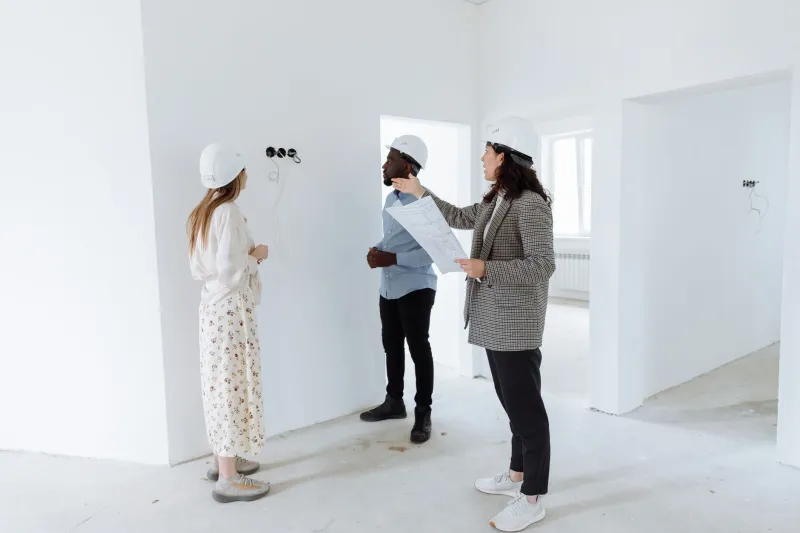
There is a particular kind of contractor who will tell you exactly what you want to hear during an estimate. The project will be done in six weeks. Permits? Handled quickly. Weather? Not a problem. The crew is ready to start Monday.
In New Jersey, that conversation should give any experienced homeowner pause.
This state is not an easy place to build. It never has been. Between one of the most rigorous permitting systems in the northeastern United States, soils that shift dramatically from county to county, and a climate that can deliver a nor'easter in March and a heat wave in May, New Jersey construction projects carry a complexity that honest timelines must reflect. The contractors who acknowledge this upfront are not delivering bad news. They are demonstrating that they understand the work.
The Permit Process Is Not the Enemy
New Jersey's municipal permit and inspection system is frequently cited by homeowners as the primary source of project delays. That frustration is understandable. Waiting weeks for a permit approval while a planned addition sits unstarted is genuinely difficult, particularly when a homeowner has already committed financially and emotionally to the project.
But consider what the permit process actually does.
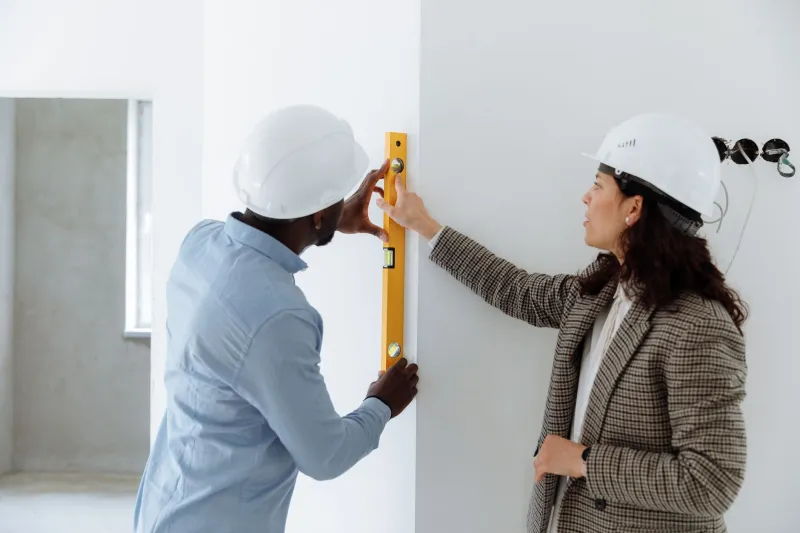
Every permit submission requires that the proposed work be reviewed against New Jersey's Uniform Construction Code — a comprehensive framework that governs structural integrity, electrical safety, plumbing standards, fire separation requirements, and energy efficiency minimums. Municipal inspectors then verify, at multiple stages of construction, that the work in the field matches the approved plans. This process exists not to inconvenience homeowners, but because construction errors that are caught during framing cost a fraction of what they cost to correct after drywall is installed.
The municipalities with the most active inspection programs — and there are many throughout Bergen, Monmouth, and Middlesex counties — tend to produce finished projects with fewer latent defects. That correlation is not accidental. Oversight creates accountability, and accountability produces better work.
A contractor who treats the permit process as an obstacle to be minimized or circumvented is telling you something important about how they approach quality control in general.
Soil Conditions Add Time Because They Demand Respect
New Jersey's geological variety is remarkable for a state of its size. The coastal plain geology of Ocean and Atlantic counties produces sandy, fast-draining soils that require specific foundation strategies. The glacially deposited soils of the northern highlands — found throughout Passaic, Morris, and Sussex counties — present dense, expansive clays that react to moisture changes in ways that can stress foundations, shift footings, and compromise drainage systems installed without adequate engineering consideration.
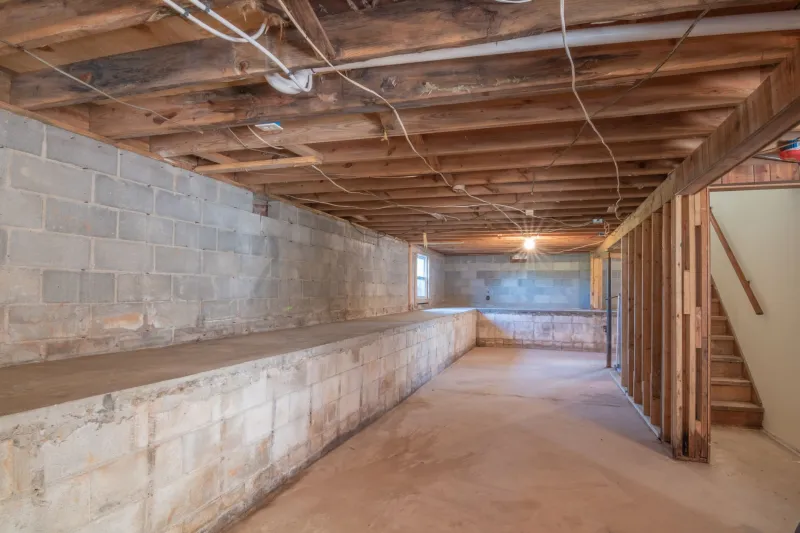
When a project encounters unexpected soil conditions — and in New Jersey, this happens with enough regularity that experienced contractors plan for it — the appropriate response is to pause, assess, and adapt. This may mean bringing in a geotechnical engineer. It may mean redesigning a footing system or installing additional drainage infrastructure before the project can proceed.
These pauses add time. They also add value that is invisible until the day it prevents a structural failure.
Contractors who promise immovable timelines regardless of site conditions are, in effect, promising to ignore whatever they find in the ground. That is a promise no competent builder should be willing to make.
Seasonal Constraints Are Not Excuses — They Are Engineering Reality
New Jersey's climate imposes legitimate constraints on construction activity, and understanding them helps homeowners plan more effectively.
Concrete poured in temperatures below 40 degrees Fahrenheit requires specialized additives, heated enclosures, and extended curing time — or it risks compromised strength that will not be visible for years. Exterior waterproofing membranes applied in wet or freezing conditions may fail to bond properly, creating vulnerabilities that only reveal themselves during the next heavy rain. Excavation work conducted on saturated spring soil can destabilize adjacent structures and create drainage problems that persist long after the project is complete.
A contractor who suspends certain activities during adverse weather conditions is not making excuses. They are making engineering decisions that protect the integrity of the finished work. The alternative — pushing through regardless of conditions to meet a deadline — is precisely how structural deficiencies are created.
New Jersey's spring thaw window, in particular, deserves specific attention. Homeowners eager to begin outdoor projects as winter releases its hold sometimes pressure contractors to mobilize before site conditions are truly ready. The contractors who push back on that pressure, who explain that the ground needs another two weeks to stabilize before excavation begins, are the ones whose work will still be performing correctly a decade later.
The Real Cost of an Unrealistic Timeline
The appeal of a fast timeline is intuitive. Renovation is disruptive, expensive, and emotionally taxing. Every additional week extends the disruption. When one contractor quotes eight weeks and another quotes fourteen, the eight-week option exerts a powerful pull.
But the costs of an unrealistic timeline do not disappear when the contractor leaves the job site. They simply change form.
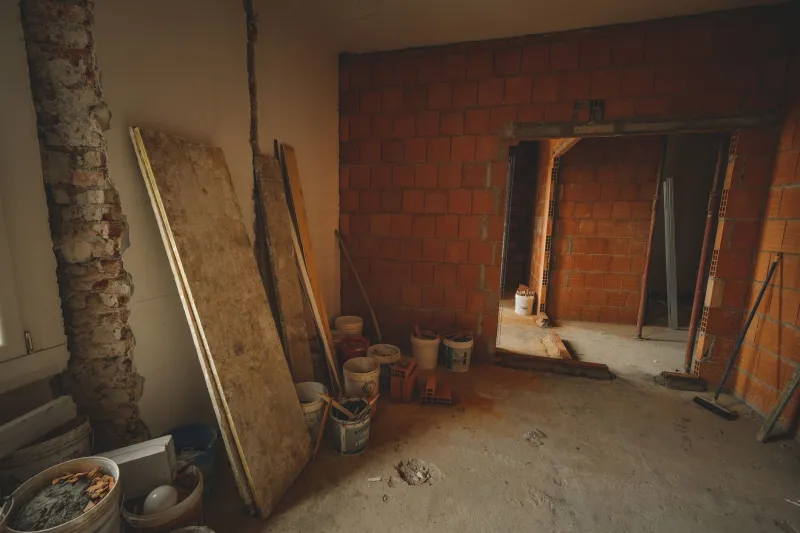
Unpermitted work discovered during a home sale can require expensive retroactive permitting, correction of code violations, or in some cases, demolition of completed work. Structural elements installed during unfavorable conditions may require repair within years rather than decades. Drainage systems installed without adequate soil assessment may fail during the first significant rain event, creating the exact basement flooding or foundation damage the renovation was intended to prevent.
These are not hypothetical scenarios. They are the predictable consequences of work that was executed faster than the conditions allowed.
The fourteen-week timeline, built around permit approvals, seasonal windows, and site-specific soil assessment, is not a concession. It is a warranty of sorts — evidence that the contractor has thought carefully about how the work will perform over time, not just how quickly it can be completed.
What an Honest Timeline Actually Looks Like
For homeowners preparing to undertake significant renovations in New Jersey, a few expectations are worth establishing at the outset.
Permit approval timelines vary by municipality and project type. A straightforward interior renovation in a cooperative municipal jurisdiction may move in three to four weeks. A structural addition requiring multiple departmental reviews in a municipality with a thorough inspection program may take two to three months before a shovel enters the ground. These timelines are not negotiable through contractor pressure — they are institutional realities.
Seasonal windows matter. Projects with significant exterior components are best planned to begin in late spring or early fall, avoiding the frozen ground of winter and the saturated soil conditions of early spring. Projects that must proceed through winter should include budget and schedule contingencies for weather-related pauses.
Site assessment comes before scheduling. Any contractor who provides a firm completion date before visiting the site and reviewing permit requirements is providing a number that has no reliable basis. A meaningful timeline emerges from site knowledge, not sales optimism.
The Contractors Worth Trusting
The renovation contractors worth trusting in New Jersey are, almost by definition, the ones who give you a timeline that makes you slightly uncomfortable. They are the ones who explain why the permit process will take the time it takes, who acknowledge that the soil on your property warrants a closer look before foundation work begins, and who build weather contingencies into the schedule rather than pretending the calendar stops at the contract signing.
At Gleeson Contractors NJ, we have built our reputation on exactly this kind of honesty. New Jersey is a demanding place to build, and we consider that a point of professional pride — not a problem to be managed around. When we give a homeowner a project timeline, it reflects the full reality of the work ahead. That transparency is not always the most comfortable conversation to have at the estimate stage. But it is the conversation that protects our clients and produces work they will still be confident in years from now.