What the Tax Assessor Sees When You Renovate: A New Jersey Homeowner's Guide to Managing Property Tax Exposure

The Renovation Reward That Comes With a Hidden Clause
There is a particular satisfaction in completing a major home renovation. A finished basement transforms unused square footage into livable space. A kitchen overhaul modernizes the heart of the home. A new addition creates the room a growing family has long needed. These improvements add genuine value — to daily life and, eventually, to resale potential.
But in New Jersey, that added value does not go unnoticed by local tax authorities. The state's property tax system is designed to reflect the assessed value of a home as it exists today, not as it existed when it was last evaluated. When a significant renovation changes what your property is worth, reassessment is not merely possible — in many cases, it is inevitable.
For homeowners who plan renovations without accounting for this reality, the result can be a tax bill that rises substantially in the years following construction. Understanding why this happens, and what you can do about it, is one of the most practical investments you can make before breaking ground.
How New Jersey's Property Tax System Works
New Jersey relies on local property taxes more heavily than almost any other state in the nation, and the system is administered at the municipal level. Each municipality employs or contracts with a tax assessor whose responsibility is to determine the assessed value of every property within its jurisdiction. That assessed value serves as the basis for calculating annual tax bills.
In theory, properties are assessed at or near their true market value. In practice, many municipalities operate with assessments that lag behind current market conditions — until a reassessment or revaluation corrects the discrepancy. Beyond periodic municipal revaluations, individual properties can be flagged for reassessment based on specific triggering events. A major renovation is one of the most common.
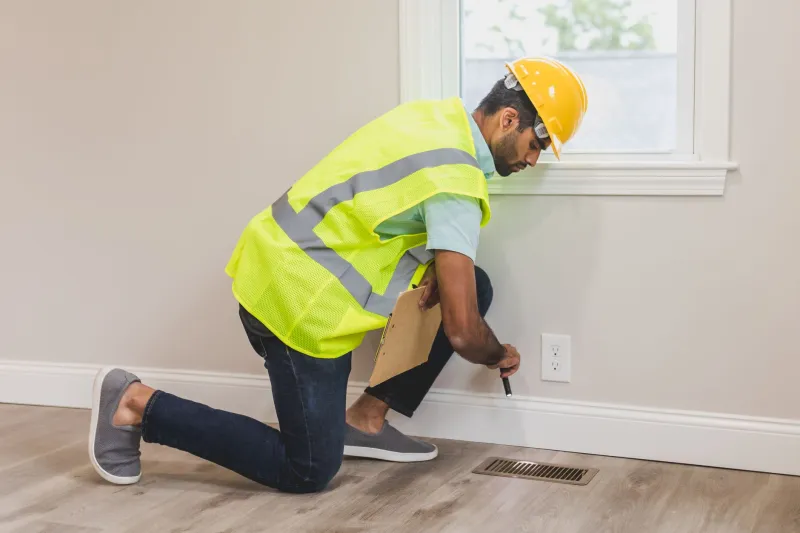
When a homeowner pulls a building permit — which is legally required for virtually any structural, electrical, plumbing, or significant cosmetic work — that permit creates a public record. The tax assessor's office monitors permit activity and uses it to identify properties where improvements may have meaningfully changed market value. Once construction is complete and the certificate of occupancy is issued, the assessor may inspect the property and adjust the assessed value accordingly.
Which Improvements Draw the Most Attention
Not every renovation carries the same tax exposure. Routine maintenance — replacing a water heater, repainting interior walls, refinishing floors — generally does not trigger reassessment because it does not materially change the property's value. It is the improvements that expand, transform, or significantly upgrade a home that attract assessor attention.
Additions and square footage increases are among the most reliably reassessment-triggering projects. Adding a bedroom, expanding a living area, or constructing an attached garage increases the gross living area of the home, which is one of the primary metrics assessors use to determine value.
Finished basements represent another common trigger. An unfinished basement is assessed at a lower rate than finished living space. Converting that square footage into a functional area — a home office, a recreation room, a guest suite — changes its classification and, consequently, its contribution to overall assessed value.
Kitchen and bathroom renovations at a high level of finish can also draw scrutiny, particularly when the scope of work is substantial. Replacing standard fixtures with premium materials, expanding a bathroom footprint, or reconfiguring a kitchen layout all signal improvements that an assessor may determine have elevated the property's market appeal.
New construction on the lot, including detached garages, pool installations, and accessory dwelling units, similarly adds assessable value that will be reflected in future tax calculations.
The Permit Trail and Why It Matters
Some homeowners, aware of the tax implications, are tempted to undertake renovation work without pulling the required permits. This approach is inadvisable for reasons that extend well beyond tax strategy.
Unpermitted work creates significant legal and financial liability. It can complicate or derail a future sale, as buyers and their inspectors frequently identify unpermitted improvements during due diligence. It may void homeowner's insurance coverage for losses related to the unpermitted work. And in New Jersey, municipalities have the authority to require unpermitted work to be exposed, inspected, and potentially demolished or brought into compliance at the homeowner's expense.
The permit record is also not the only mechanism by which assessors identify improvements. Aerial imagery, neighborhood inspections, and reports from neighbors or real estate transactions all contribute to the information assessors use. The risk of attempting to conceal improvements is rarely worth the short-term tax savings.
Strategic Planning Before the Shovel Hits the Ground
The most effective approach to managing tax exposure is not avoidance — it is informed planning. Homeowners who understand the system can make renovation decisions with realistic expectations and, in some cases, sequence their projects in ways that minimize unnecessary exposure.
Research your municipality's reassessment cycle. Some municipalities conduct town-wide revaluations on a regular schedule, which means your property may be reassessed regardless of renovation activity. Understanding where your town is in that cycle can help you anticipate when changes to assessed value are likely to take effect.
Request a pre-renovation consultation with your local assessor's office. Many assessors are willing to provide general guidance about how a proposed project might affect assessed value. This conversation costs nothing and can provide valuable context for your planning.
Consult a tax professional familiar with New Jersey property tax law. A qualified professional can help you understand the potential impact of specific projects and identify any applicable exemptions or appeal procedures that may be available to you.
Understand the appeals process. New Jersey homeowners have the right to appeal property tax assessments they believe are inaccurate. Appeals must be filed with the County Board of Taxation by April 1st of the tax year in question. If you believe your post-renovation assessment does not accurately reflect fair market value, a formal appeal — supported by comparable sales data and, where appropriate, an independent appraisal — may be warranted.
Factor tax exposure into your renovation budget. A kitchen renovation that costs $80,000 and increases your annual property tax bill by $3,000 is still, in most cases, a sound investment — but it is a different investment than one where the tax impact is not accounted for. Building a realistic picture of total cost, including the ongoing tax consequence, allows for more informed decision-making.
The Value Equation Remains Favorable
It is worth stating clearly: the existence of property tax reassessment is not a reason to forgo renovation. New Jersey homeowners who invest thoughtfully in their properties generally see those investments reflected in resale value, livability, and long-term financial position. The tax system, while burdensome by national standards, is a known variable — one that can be planned around.
The homeowners who fare best are those who treat renovation planning as a comprehensive exercise, not simply a construction exercise. That means engaging qualified contractors who operate with proper licensing and permits, understanding the regulatory environment, and approaching major projects with the full picture in view.
At Gleeson Contractors NJ, we work with homeowners throughout the state who are navigating exactly these considerations. Our role is not limited to delivering quality construction — it extends to helping clients understand the broader context of the projects they undertake. When you know what to expect, you can invest with confidence.