Before the First Nail: Why Pre-Project Documentation Is the Most Valuable Investment a New Jersey Homeowner Can Make
There is a moment, early in every major renovation project, when a homeowner's attention is consumed entirely by what the finished space will look like. New cabinetry, fresh flooring, an expanded bathroom — the imagination runs ahead of the work. What rarely occupies that same mental space is a careful accounting of what the property looks like right now, before a single tool is unpacked.
That oversight, seemingly minor, has cost New Jersey homeowners tens of thousands of dollars. Not because of poor craftsmanship or bad materials, but because no one took the time to establish a documented baseline of existing conditions before work began.
At Gleeson Contractors NJ, pre-project documentation is not a formality. It is a foundational step — one that shapes how disputes are resolved, how insurance claims are evaluated, and how liability is assigned when something unexpected surfaces mid-project.
What "Existing Conditions" Actually Means in Practice
The phrase sounds technical, but the concept is straightforward. Existing conditions documentation is a comprehensive record of a property's physical state at a specific point in time — immediately before renovation work commences. That record typically includes:
- Dated, timestamped photography covering all areas adjacent to or affected by the planned scope of work
- Written condition reports noting visible damage, wear, staining, cracking, or prior repairs
- Measurements and structural observations relevant to the project type
- Video walkthroughs for larger or more complex projects
- Utility and system status notes, particularly for electrical panels, plumbing lines, and HVAC configurations
The goal is simple: to eliminate ambiguity about what was already present and what, if anything, was introduced or altered during construction.
Why New Jersey's Environment Makes This Especially Critical
New Jersey presents a particular set of challenges that make pre-project documentation more consequential here than in many other states. The combination of aging housing stock, seasonal moisture extremes, and a densely populated landscape creates conditions where pre-existing damage is common — and often invisible until construction begins.
Consider a homeowner in Middlesex County undertaking a bathroom renovation in a home built in the 1960s. Behind the tile, there may be decades-old water intrusion, compromised subfloor material, or outdated plumbing that predates modern code requirements. Without documentation, the discovery of that damage mid-project opens a dispute: Was it always there? Did the contractor cause it? Who bears the cost of remediation?
Without a pre-project record, that question becomes a negotiation — and negotiations without evidence rarely end cleanly.
Similarly, New Jersey's freeze-thaw cycles routinely produce foundation micro-cracking, efflorescence, and settling that homeowners may not notice until a contractor is already working nearby. If those issues are not catalogued before work begins, attributing their origin becomes a legal and financial complication.
The Insurance Dimension Most Homeowners Overlook
Homeowners insurance intersects with renovation projects in ways that are frequently misunderstood. When damage is discovered during construction — whether to a wall cavity, a ceiling, or a structural element — the question of whether that damage is covered under an existing policy often hinges on when and how the damage occurred.
Insurers are not in the business of accepting claims without evidence. If a homeowner reports water damage discovered during a kitchen renovation, the insurance company will want to know whether that damage predated the project. Without documentation, the homeowner is left making an argument they cannot substantiate.
Pre-project photography and condition reports provide exactly the kind of timestamped, objective evidence that supports a legitimate claim — and equally, they protect insurers and contractors from fraudulent or mistaken attribution of damage that was present long before any work began.
In New Jersey, where the Division of Consumer Affairs maintains active oversight of contractor-homeowner disputes, having a documented record of pre-existing conditions can also be decisive in formal complaint proceedings.
Protecting the Contractor-Homeowner Relationship
It would be a mistake to view pre-project documentation purely as a defensive measure. When approached correctly, it actually strengthens the relationship between a homeowner and their contractor by establishing shared expectations from the outset.
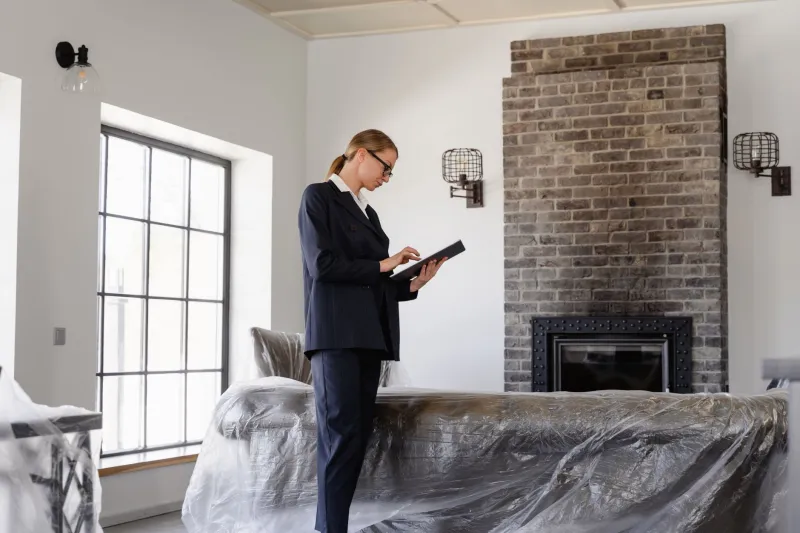
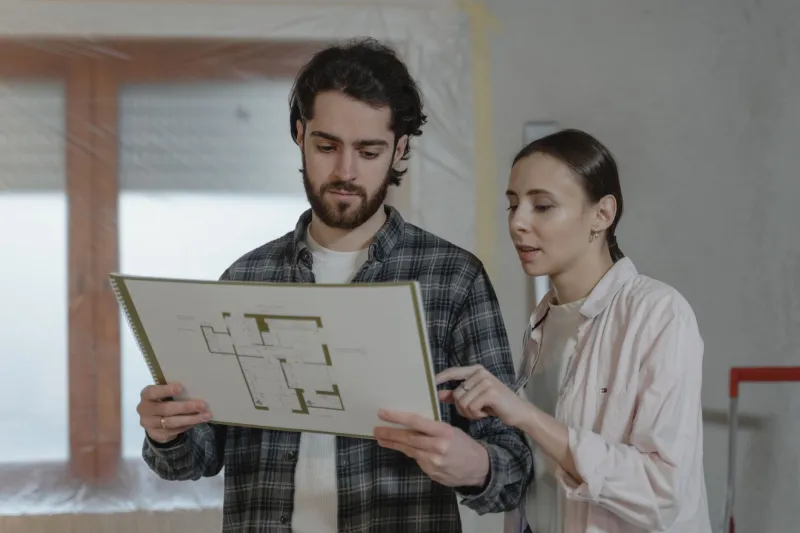
When Gleeson Contractors NJ conducts a pre-project walkthrough with a homeowner, the process accomplishes several things simultaneously. It gives the homeowner an opportunity to point out areas of concern they may not have mentioned during initial consultations. It allows the contractor to flag conditions that could affect the project timeline or budget. And it creates a mutual understanding of what the property's baseline state is — so that neither party is surprised by what surfaces once work is underway.
That transparency is not incidental. It is the foundation of a professional working relationship, and it dramatically reduces the friction that tends to derail even well-planned projects.
What a Thorough Documentation Process Looks Like
For a mid-scale residential renovation — a bathroom addition, a finished basement, or a kitchen reconfiguration — a responsible documentation process typically takes between one and three hours at the project outset. For larger commercial or multi-phase projects, it may involve dedicated site assessment sessions with written reports prepared and signed by both parties.
Key elements of a professional pre-project documentation process include:
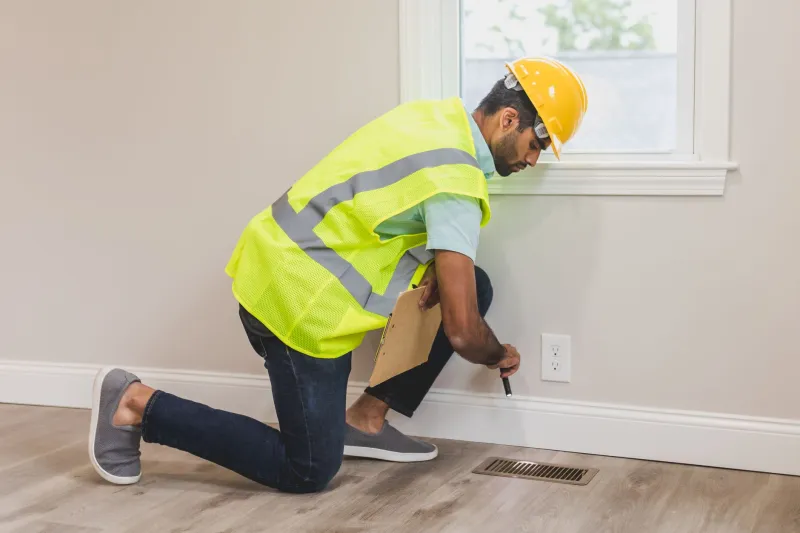
Systematic photography. Every room or zone adjacent to the work area should be photographed from multiple angles. Floors, ceilings, walls, and transitions between spaces all warrant coverage. Close-up documentation of any visible damage, staining, or prior repair work is essential.
Written condition notes. A structured checklist completed by the contractor and reviewed with the homeowner ensures that nothing is overlooked. Items such as existing paint condition, flooring wear, window and door alignment, and visible plumbing or electrical components should all be noted.
Mutual sign-off. Both the homeowner and the contractor's representative should acknowledge and retain a copy of the completed documentation. This transforms the record from a unilateral claim into a mutually agreed-upon baseline.
Digital storage with metadata. Files should be stored in a format that preserves the date and time of capture. Cloud-based storage solutions provide redundancy and accessibility if documentation needs to be retrieved months later during a dispute or insurance claim.
The Cost of Not Documenting
The argument against thorough pre-project documentation is almost always one of convenience — it takes time, it adds a step, and on smaller projects, it can feel disproportionate to the scope of work. That reasoning is understandable. It is also frequently expensive.
In one Essex County case, a homeowner undertaking a second-floor addition discovered significant rot in existing roof framing once work began. The contractor maintained the rot was pre-existing; the homeowner believed it had been caused by improper tarping during early demolition. Without pre-project documentation, the dispute stretched across months and ultimately involved legal counsel for both parties. The cost of that dispute — in time, professional fees, and damaged trust — exceeded what a thorough documentation session would have cost by a considerable margin.
That outcome is not unique. It is, in fact, one of the more predictable consequences of beginning major construction without establishing a clear record of where things stood before the work began.
A Standard Worth Demanding
New Jersey homeowners undertaking any significant renovation project — whether residential or commercial — should expect their contractor to initiate a pre-project documentation process as a matter of professional standard. If that step is not offered, it is entirely appropriate to request it.
At Gleeson Contractors NJ, this practice is built into how we approach every major engagement. The goal is not to anticipate conflict. It is to ensure that if questions arise, the answers are already on record — clear, timestamped, and mutually acknowledged.
The most expensive document in any renovation project is the one that was never created.