Standing Water, Standing Worry: A New Jersey Homeowner's Complete Guide to Sump Pump Systems
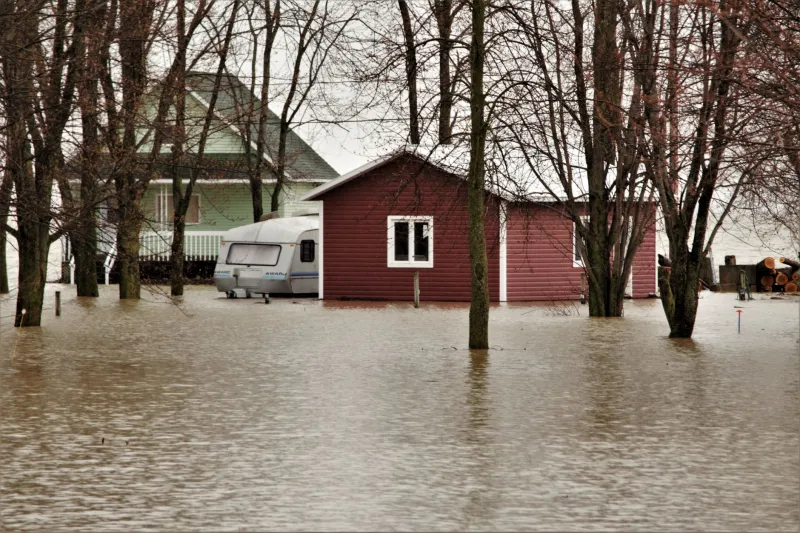
New Jersey sits at a geographic crossroads that makes water management a year-round concern. Between the Atlantic coastal plain, the Raritan River basin, and the clay-dense soils of the northern highlands, groundwater has a way of finding its path into spaces where it decidedly does not belong — namely, your basement. For homeowners throughout the state, a properly installed and maintained sump pump system is not a luxury. It is infrastructure.
This guide is intended to help New Jersey homeowners understand what goes into a well-designed sump pump installation, what local building codes require, and how to establish a maintenance rhythm that holds up against the state's most punishing weather seasons.
Why New Jersey's Hydrology Demands Special Attention
Not every state presents the same water management challenges. New Jersey's combination of seasonal extremes — heavy spring snowmelt, intense summer thunderstorms, and occasional nor'easters pushing water inland — creates hydrostatic pressure conditions that can overwhelm unprepared foundations. The state's famously variable soil composition adds another layer of complexity. Sandy soils in the southern counties drain quickly; the dense, compacted clays found throughout Morris, Essex, and Hunterdon counties hold moisture like a sponge and direct it toward the lowest available point.
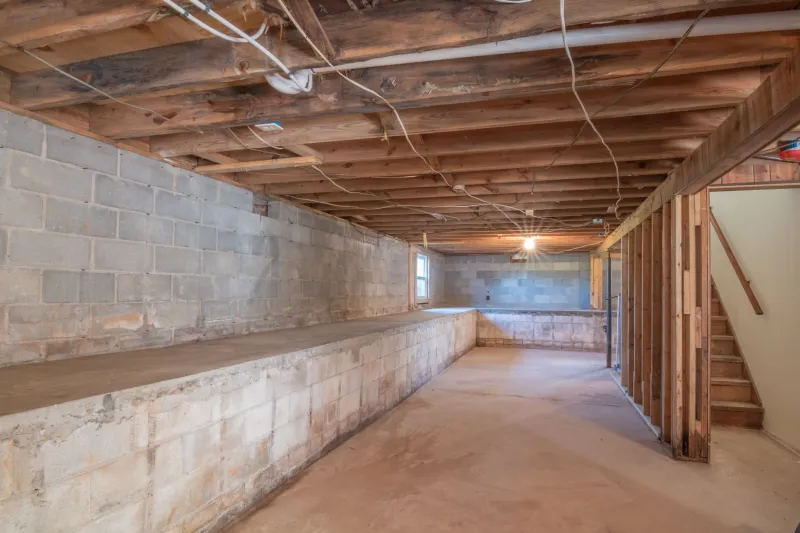
That lowest point, more often than not, is your basement floor.
A contractor who understands New Jersey's regional geology will approach sump pump installation differently than one working from a generic playbook. The correct system for a home in Toms River may differ significantly from what a residence in Morristown requires, and that site-specific thinking is what separates adequate work from work that actually protects your investment.
Choosing the Right System: Submersible vs. Pedestal
The two primary sump pump configurations each carry distinct advantages depending on your basement's layout and your household's practical priorities.
Submersible pumps are installed directly inside the sump pit, submerged beneath the water line. They operate more quietly, handle larger volumes of water more efficiently, and are generally preferred for finished or semi-finished basements where noise and aesthetics matter. Their sealed motors are less susceptible to humidity damage, which makes them well-suited for New Jersey's humid summers.
Pedestal pumps mount the motor above the pit on a vertical shaft. They are easier to service and inspect since the motor remains accessible at all times. Their lower upfront cost makes them attractive for unfinished utility basements, though they are louder in operation and have a shorter average lifespan under heavy use.
Beyond this foundational choice, horsepower rating matters enormously. Undersized pumps fail precisely when they are needed most — during peak storm events. A licensed New Jersey contractor will calculate the appropriate pump capacity based on your basement's square footage, your area's historical rainfall data, and the depth of your water table.
Battery Backup: The Detail That Saves Basements
One of the most common oversights in residential sump pump planning is the failure to install a battery backup system. This point cannot be overstated in the context of New Jersey weather.
Major flooding events in this state frequently coincide with power outages. A primary pump with no backup becomes useless at the exact moment it is most critical. Battery backup units activate automatically when the main power supply fails, providing hours of continued operation while the storm runs its course. Some systems now integrate with cellular monitoring platforms, alerting homeowners via smartphone when the backup activates or when water levels approach dangerous thresholds.
For properties with a history of flooding or those located in FEMA-designated flood zones — a designation that applies to substantial portions of New Jersey — a backup system should be considered mandatory, not optional.
New Jersey Building Code Requirements for Sump Pump Installation
New Jersey's Uniform Construction Code governs sump pump installations, and compliance is not merely a bureaucratic formality. Proper permitting ensures that the work is inspected by a qualified municipal official and that your installation meets the standards required for homeowner's insurance claims and future property sales.
Key compliance considerations include:
- Discharge line routing: New Jersey regulations prohibit sump pump discharge from directing water into the municipal sanitary sewer system. Discharge must route to an appropriate daylight outlet, storm drain, or dry well located at a sufficient distance from the foundation.
- Check valve installation: A check valve must be installed on the discharge line to prevent water from flowing back into the pit when the pump cycles off.
- Pit liner requirements: The sump pit itself must meet minimum dimensional standards and be constructed with an approved liner material.
- Electrical compliance: Pump systems require a dedicated electrical circuit with a ground fault circuit interrupter (GFCI) outlet, installed in accordance with the National Electrical Code as adopted by New Jersey.
Working with a licensed New Jersey contractor ensures these requirements are met from the outset. Unpermitted installations can create significant complications during home sales and may void relevant insurance coverage.
Establishing a Maintenance Schedule That Actually Works
Installation is only the beginning. A sump pump that receives no attention between crises is a pump that will eventually fail at the worst possible time. The following maintenance schedule reflects the realities of New Jersey's seasonal patterns.
Early spring (March–April): This is the highest-risk period in New Jersey, when snowmelt combines with spring rainfall to saturate ground that has been frozen and compacted all winter. Before this window arrives, test your pump by slowly pouring water into the pit until the float activates. Inspect the discharge line for ice blockages or debris accumulation. Confirm the backup battery holds a charge.
Late spring and summer (May–August): After the peak season, inspect the pit for sediment buildup and clean the intake screen. Verify that the discharge outlet remains unobstructed. If your system includes a water-powered backup, check the connection to the water supply.
Fall (October–November): Prepare for the nor'easter season by repeating the float activation test and ensuring the backup system is fully operational. This is also an appropriate time to schedule a professional inspection if the pump is more than five years old.
Annual professional service: Regardless of seasonal checks, an annual inspection by a qualified contractor provides an objective assessment of motor condition, float mechanism integrity, and discharge line health. Pumps have finite lifespans — typically seven to ten years under normal use — and identifying wear before failure is always preferable to emergency replacement.
When Replacement Is the Right Answer
Homeowners sometimes resist replacing an aging sump pump because the unit appears to be functioning. This reasoning carries real risk. A pump that cycles on and runs longer than it previously did to achieve the same result is signaling that its capacity is declining. Unusual noises, visible rust on the motor housing, and frequent short-cycling are all indicators that replacement should be scheduled before the next major rain event.
The cost of a new sump pump installation is a fraction of the cost associated with a flooded basement — remediation, mold treatment, and structural repairs can run into the tens of thousands of dollars. Viewed through that lens, proactive replacement is straightforward financial logic.
The Value of Working With a Local Expert
New Jersey's water management challenges are specific enough that local experience genuinely matters. A contractor familiar with your municipality's permit office, your neighborhood's drainage history, and the soil conditions on your specific block brings knowledge that no out-of-state or national franchise operation can replicate.
At Gleeson Contractors NJ, our approach to sump pump installation begins with a thorough site assessment — not a catalog selection. The right system is the one designed for your home, your location, and your risk profile. That philosophy is what turns a functional installation into lasting peace of mind.