Winter Is Not a Waiting Game: How Professional Contractors Keep New Jersey Projects Moving Through Cold Months
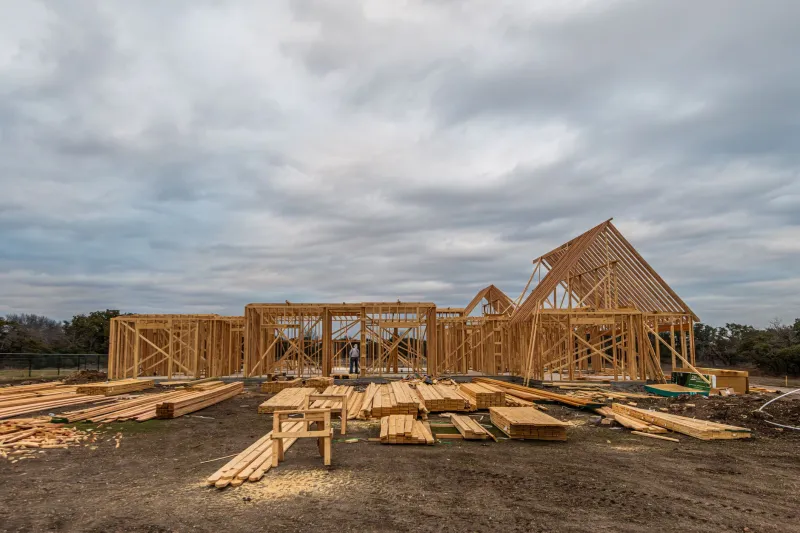
For homeowners in New Jersey, the arrival of November often triggers a familiar assumption: construction projects should be paused until spring. It is an understandable instinct. Frost, ice, and unpredictable nor'easters are real forces that affect outdoor work. Yet this seasonal hesitation, while well-meaning, can cost homeowners months of progress and push project timelines into the most competitive—and expensive—scheduling windows of the year.
At Gleeson Contractors NJ, winter is not treated as a construction dead zone. It is treated as a planning challenge, and planning challenges are precisely what experienced contractors are built to solve.
Understanding New Jersey's Winter Construction Landscape
New Jersey's climate is genuinely variable. The northern counties, including Sussex, Warren, and Morris, routinely experience prolonged freezes, significant snowfall, and ground frost that penetrates well below the surface. Central Jersey communities along the Route 1 corridor see more moderate conditions, while the Shore region and South Jersey counties often experience milder winters with shorter cold snaps.
This geographic diversity means there is no single winter construction strategy that applies uniformly across the state. A foundation pour scheduled in Bergen County requires different precautions than the same work planned in Cape May. Recognizing these regional distinctions is a hallmark of local expertise—and a clear reason why nationally franchised contractors frequently struggle to serve New Jersey clients as effectively as firms rooted in the state.
The Real Impact of Cold Weather on Construction Materials
Cold temperatures do not simply slow workers down—they chemically and structurally affect the materials themselves. Concrete, for instance, requires careful temperature management during curing. When ambient temperatures fall below 40°F, the hydration process that gives concrete its strength slows dramatically. Below 27°F, water within the concrete mix can freeze before the material sets, creating structural vulnerabilities that may not become visible for months or even years.
Similarly, certain adhesives, caulks, and waterproofing membranes have minimum application temperatures specified by manufacturers. Installing these products outside their rated temperature ranges voids warranties and invites premature failure. Wood framing, while more forgiving, can absorb moisture from snow and ice exposure if left unprotected during pauses in construction—leading to warping, mold risk, and compromised structural integrity.
Professional contractors account for all of these variables before a single nail is driven in December.
How Gleeson Contractors Approaches Winter Scheduling
The planning process at Gleeson Contractors NJ begins with what the team calls a "seasonal sequence audit" during the pre-construction phase of every project. This review maps each phase of work against the expected weather windows for the specific region where the project is located.
Consider a home addition project completed in Morris County during the winter of a recent year. The original timeline called for foundation work to begin in late November. Rather than proceed on that schedule and risk a mid-pour freeze, the team front-loaded the excavation and formwork phases while temperatures remained workable, coordinated with a concrete supplier experienced in heated mix delivery, and arranged for insulated curing blankets to protect the pour through the first critical 72 hours. The foundation was completed successfully before the season's first significant freeze—and interior framing began in January without delay.
This kind of deliberate sequencing is not reactive. It is built into the project plan from the outset.
Protecting Work in Progress: Jobsite Strategies for Cold Months
Beyond scheduling, professional contractors employ a range of physical measures to protect active construction sites during winter conditions.
Temporary enclosures are among the most effective tools. Framed structures wrapped in heavy-duty polyethylene sheeting can enclose an entire addition or room, allowing interior work—insulation, drywall, electrical rough-in—to proceed regardless of outdoor conditions. When paired with portable heating units, these enclosures extend the productive work window significantly.
Material staging and storage also becomes more deliberate in winter. Lumber, drywall, and insulation products that would ordinarily be staged on-site are instead delivered in tighter intervals and stored in climate-appropriate conditions until needed. This reduces moisture exposure and waste.
Ground protection is another consideration that homeowners rarely anticipate. Heavy equipment moving across frozen or thawing ground can cause significant lawn and landscape damage. Experienced contractors use ground protection mats and carefully timed equipment scheduling to minimize this impact—preserving the property and avoiding costly remediation in spring.
Managing Client Expectations Through Transparent Communication
Even the most meticulous winter construction plan must account for the genuinely unpredictable. A nor'easter that dumps 18 inches of snow across Central Jersey over a weekend will delay outdoor work. That is simply a reality of building in this region.
What separates professional contractors from less experienced operators is not the ability to prevent weather delays—it is the ability to communicate about them clearly, honestly, and in advance.
Gleeson Contractors NJ provides clients with updated project schedules on a regular basis throughout the winter months. When weather events are forecast, the team notifies clients ahead of time, explains which phases will be affected, and outlines the adjusted plan. This proactive approach prevents the frustration and mistrust that can develop when homeowners feel they are receiving information only after problems have already occurred.
Transparency about winter scheduling is, in many ways, a proxy for overall contractor professionalism. A firm that manages weather-related delays with grace and clear communication is almost certainly a firm that manages every other aspect of your project with equal care.
Why Winter Projects Can Actually Work in Your Favor
There is a practical upside to winter construction that many homeowners overlook: scheduling availability. Spring and summer represent peak demand for contractors across New Jersey. Backlogs lengthen, material lead times extend, and subcontractor availability tightens. Homeowners who initiate projects in the fall or winter often gain access to more attentive scheduling and, in some cases, more competitive pricing.
Permit offices in many New Jersey municipalities also process applications more quickly during the slower winter season—a meaningful advantage in jurisdictions where approval timelines can otherwise stretch for weeks.
For homeowners planning additions, basement finishing, kitchen renovations, or commercial tenant improvements, beginning the contractor selection and permit process in the fall positions a project to move into full execution precisely when conditions are most favorable—and when the competition for contractor time is at its lowest.
Building Confidence Through Seasonal Expertise
New Jersey winters are not an obstacle to construction—they are a variable to be managed. The contractors who manage them well do so through experience, advance planning, material knowledge, and honest client relationships. These are not seasonal skills. They reflect the kind of professional discipline that carries through every phase of every project, regardless of the temperature outside.
When evaluating contractors for your next project, ask directly how they approach winter scheduling and weather delays. The quality of that answer will tell you a great deal about the quality of their work overall.