A Handshake Has No Signature: Why Informal Agreements Collapse the Moment a New Jersey Renovation Changes Course

The Moment Good Faith Becomes a Liability
There is a particular kind of optimism that surrounds the beginning of a renovation project. The contractor seems knowledgeable, the homeowner feels confident, and the conversation flows easily. Decisions are made over coffee at the kitchen table. A price is agreed upon. A start date is mentioned. Hands are shaken.
For a brief period, everything feels settled.
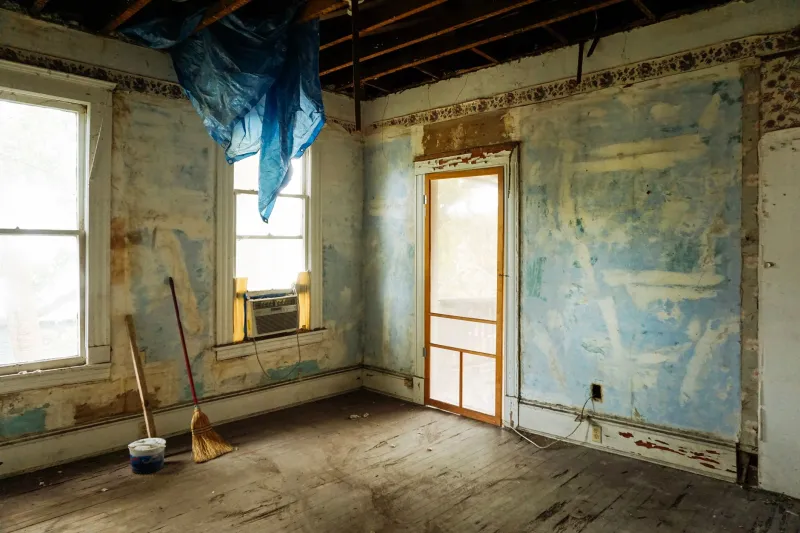
Then the walls open up, and something unexpected appears. A rotted beam. An outdated electrical panel. A drainage problem that nobody anticipated. And suddenly, the easy conversation at the kitchen table is replaced by a far more uncomfortable one — a disagreement about who said what, who agreed to what, and who is responsible for paying for what.
In New Jersey, this scenario is not hypothetical. It plays out across renovation projects of every size, in every county, every year. And in nearly every case, the root cause is the same: an informal agreement that felt sufficient until the first change order arrived.
What New Jersey Law Actually Requires
New Jersey's Consumer Fraud Act and the Contractor's Registration Act establish clear expectations for written contracts in home improvement transactions. Under state law, home improvement contracts valued at $500 or more must be in writing and must include specific elements: the contractor's name, address, and registration number; a description of the work to be performed; the agreed-upon price; and the payment schedule.
These are not suggestions. They are legal requirements.
Yet even when a base contract is properly executed, the protections it offers can erode quickly once a project moves into unfamiliar territory. Change orders — written amendments that document modifications to the original scope — are the mechanism by which a contract remains accurate and enforceable throughout a project's lifecycle. Without them, every deviation from the original plan creates a new gray area, and gray areas are where disputes are born.
"We'll Figure It Out" Is Not a Clause
Consider a common scenario. A homeowner in Bergen County contracts a builder to renovate a finished basement. The written contract covers framing, drywall, flooring, and electrical work. During demolition, the contractor discovers that the existing HVAC ductwork runs through the space in a way that conflicts with the new ceiling design. The homeowner and contractor agree verbally to reroute the ducts and split the additional cost.
No paperwork is generated. Both parties move forward.
Three weeks later, the homeowner receives an invoice that includes the full cost of the duct rerouting — not the split amount they recall agreeing to. The contractor, equally certain of his recollection, maintains that the homeowner agreed to absorb the full expense once the scope of the problem became clear.
Two people. Two memories. No documentation. One dispute.
This is not a story about dishonesty. In many cases, both parties genuinely believe their version of events. Human memory is selective and imprecise, particularly when conversations happen quickly, on-site, under the pressure of an active job. The absence of a written change order does not mean someone is lying. It means neither party has any reliable way to prove what was actually agreed upon.
The Three Moments When Verbal Agreements Are Most Dangerous
Not every informal exchange carries the same level of risk. However, there are three specific moments in a renovation project when undocumented agreements create the most significant exposure for New Jersey homeowners.
When the scope expands. Any time work is added to the original contract — whether it involves additional rooms, upgraded materials, or unforeseen structural repairs — a written change order should be executed before the new work begins. The dollar amount is less important than the documentation. Even a modest addition, left undocumented, can become a point of contention.
When the timeline shifts. Construction delays are common in New Jersey, where weather, permitting schedules, and material availability all create unpredictable variables. When a project's completion date changes, that change should be documented in writing, along with any associated adjustments to the payment schedule. A verbal extension without documentation can expose a homeowner to claims of breach of contract if payment milestones are not met on the original schedule.
When payment terms are renegotiated. Homeowners sometimes agree to accelerate payments, defer final installments, or make interim payments outside the original schedule based on verbal conversations with their contractors. Each of these adjustments, however informal, alters the financial structure of the agreement. Without written confirmation, either party can later dispute the terms — often at the worst possible moment.
What a Proper Change Order Should Contain
A change order does not need to be a lengthy legal document. It does, however, need to include specific information to be enforceable and useful.
At minimum, a change order should identify the original contract it amends, describe the new or modified scope of work in clear language, state the additional cost or credit associated with the change, note any impact on the project timeline, and carry the dated signatures of both the homeowner and the contractor.
Some contractors use pre-printed change order forms. Others use email confirmations. In New Jersey, courts have recognized email exchanges as evidence of agreement in construction disputes, provided the language is sufficiently clear and both parties have responded affirmatively. However, a signed paper document remains the most defensible record and should be preferred whenever possible.
Why Contractors Benefit From Written Change Orders Too
It is worth noting that the burden of documentation does not fall exclusively on the homeowner. Reputable contractors have every reason to formalize scope changes in writing. A signed change order protects the contractor from claims that additional work was performed without authorization. It establishes a clear record of what was agreed upon and eliminates the risk of non-payment for legitimate additional services.
Contractors who resist written change orders — who prefer to "keep things flexible" or "work it out later" — are not necessarily acting in bad faith. But their resistance creates risk for both parties. A homeowner who encounters this attitude should treat it as a signal worth examining carefully.
At Gleeson Contractors NJ, every scope modification, however minor, is documented before work proceeds. This practice protects our clients and ensures that every project remains on a foundation of mutual clarity rather than mutual assumption.
Building the Paper Trail Before the First Dispute Arises
The most effective time to establish rigorous documentation practices is before any disagreement surfaces. Homeowners who insist on written change orders from the outset — and who make this expectation clear before signing the base contract — rarely find themselves in the position of reconstructing a conversation from memory.
A simple protocol can make an enormous difference: agree in advance that no additional work will commence, and no timeline adjustment will take effect, without a signed change order in hand. Ask the contractor to confirm this practice in writing as part of the original agreement. Document the protocol, and then follow it consistently throughout the project.
This is not a sign of distrust. It is the foundation of a professional working relationship — one that benefits both parties precisely because it removes ambiguity before ambiguity has the opportunity to become conflict.
In New Jersey's construction environment, where projects are rarely simple and surprises are genuinely common, the homeowners who fare best are not those who trust the most. They are those who trust wisely — and document everything.