The Final Walk-Through Is Not a Formality: What New Jersey Homeowners Must Inspect Before Signing Off

There is a particular kind of relief that settles over a homeowner when the last truck pulls away from the job site. Weeks — sometimes months — of noise, dust, scheduling adjustments, and budget conversations have finally come to an end. The contractor hands over a punch list, asks for a signature, and the project is officially complete.
Except it may not be.
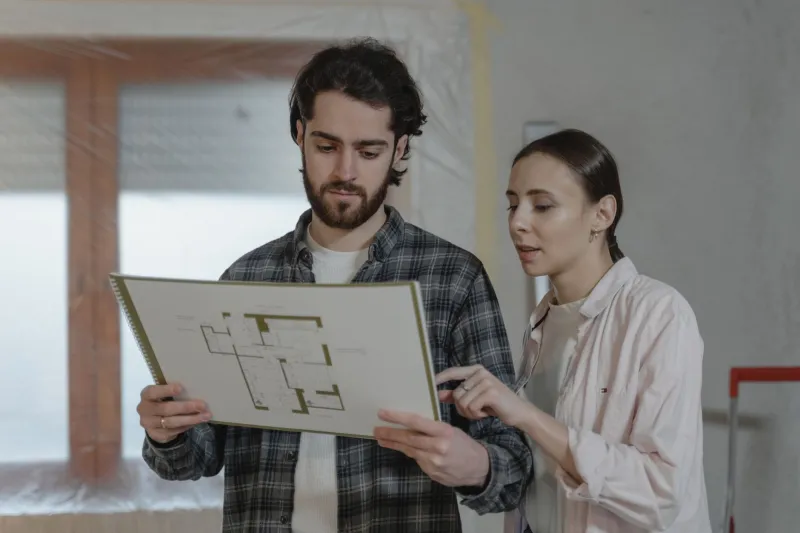
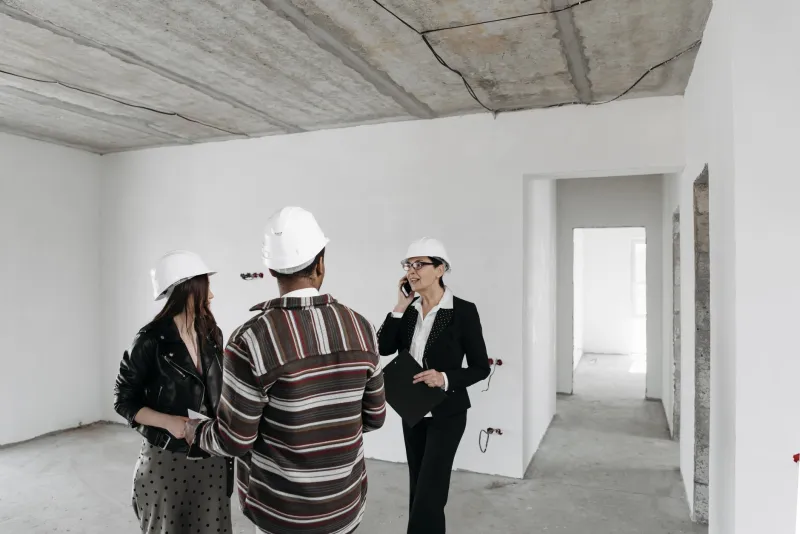
The final walk-through inspection is one of the most consequential moments in any renovation or construction project, and it is also one of the most frequently mishandled. Many New Jersey homeowners treat it as a courtesy — a brief tour before writing the final check. In reality, it is the last structured opportunity to identify problems, request corrections, and protect your legal standing before the contractor relationship officially concludes.
At Gleeson Contractors NJ, we have seen firsthand what happens when homeowners skip this step or approach it without preparation. The disputes that follow are rarely about major structural failures. More often, they involve finish work that does not meet the agreed-upon standard, incomplete items that were overlooked in the rush to close out, or damage that occurred during construction and was never addressed. These issues are far easier to resolve before final payment than after.
Why the Walk-Through Carries Legal Weight
In New Jersey, the moment a homeowner signs off on project completion and releases final payment, the contractual leverage shifts significantly. Most contractor agreements — and New Jersey's consumer protection framework — treat final acceptance as an acknowledgment that the work has been completed to a satisfactory standard. This does not mean you lose all recourse after signing, but it does mean that any disputes become considerably harder to resolve without litigation or formal complaint processes.
The walk-through, then, is not simply about spotting a crooked cabinet door. It is about establishing a clear, documented record of the project's condition at the moment of handoff. That record protects both parties. For the homeowner, it prevents disputes from being dismissed as afterthoughts. For the contractor, it provides evidence that the work was accepted in good faith.
What to Actually Look For
Approaching a final inspection without a structured checklist is one of the most common mistakes homeowners make. Emotion and exhaustion can cloud judgment at this stage. The following areas deserve deliberate, systematic attention.
Finish Quality and Craftsmanship Examine all painted surfaces in natural light. Look for roller marks, uneven coverage, missed edges, and areas where paint has bled onto adjacent surfaces. Check tile work for grout consistency, lippage between tiles, and caulking quality at transitions. Inspect trim, molding, and cabinetry for gaps, alignment issues, and hardware that does not sit flush.
Mechanical Systems and Fixtures Test every outlet, switch, and fixture that was part of the project scope. Run water through all new plumbing connections and check beneath sinks for leaks. Operate HVAC components, exhaust fans, and any newly installed appliances. Confirm that all systems function as specified in the contract.
Structural and Exterior Elements If the project involved any exterior work — roofing, siding, windows, or foundation repairs — inspect these areas carefully. Look for flashing that appears improperly seated, gaps in sealant, or drainage concerns around the building's perimeter. In New Jersey's climate, water infiltration is a persistent risk, and even minor installation errors can become significant problems within a single season.
Cleanliness and Site Restoration The contract should specify what cleanup is included. Confirm that all debris has been removed, that the work area has been restored to its pre-construction condition where applicable, and that no materials or equipment have been left on the property without agreement.
Outstanding Permit and Inspection Items Verify that all required municipal permits have been closed out and that final inspections by New Jersey building officials have been completed and approved. An open permit is not a minor administrative detail — it can complicate future sales, refinancing, and insurance claims.
How to Document Discrepancies Professionally
If you identify issues during the walk-through, the way you handle them matters as much as what you find. Emotional confrontations rarely produce faster resolutions. A professional, documented approach is far more effective.
Begin by photographing every concern with a timestamp. Write a clear, itemized list of discrepancies — not vague complaints, but specific descriptions tied to the contract language where possible. Note the location, the nature of the problem, and how it deviates from what was agreed upon. Share this list with the contractor in writing, whether by email or formal letter, and request a response within a defined timeframe.
Most reputable contractors — and Gleeson Contractors NJ operates on this standard — will address legitimate punch list items without resistance. The goal on both sides is a clean, documented close that neither party will need to revisit in court.
When to Withhold Final Payment
New Jersey homeowners have the right to withhold final payment when work has not been completed as specified. This is not a punitive measure — it is a practical one. Final payment is often the only meaningful leverage a homeowner retains once the crew has left the site.
If discrepancies are identified during the walk-through, it is entirely reasonable to withhold the portion of payment corresponding to the outstanding work while releasing the remainder. This approach demonstrates good faith while preserving your ability to ensure completion. Document the agreement in writing, including what work remains, the expected completion date, and the payment amount to be released upon satisfactory resolution.
Avoid withholding payment over issues that are subjective preferences rather than contractual failures. The distinction matters both practically and legally.
The Walk-Through as a Relationship Checkpoint
Beyond the legal and financial dimensions, the final walk-through is a reflection of the working relationship you have built with your contractor over the course of the project. A contractor who approaches this moment with transparency, patience, and professionalism is demonstrating the same values that should have been present from the first estimate.
At Gleeson Contractors NJ, we encourage homeowners to arrive at the final walk-through informed and prepared — not adversarial, but thorough. A well-conducted inspection serves everyone. It closes projects cleanly, prevents disputes from festering, and ensures that the work completed in your home meets the standard you were promised.
New Jersey homeowners invest significantly in their properties. The final walk-through is the last checkpoint before that investment is fully committed. Treat it accordingly.